A window, not a season
Sometime in January, the first crates of Seville oranges reach these shores from Spain. By mid-February, they're effectively gone — six weeks at most, often less, and the rest of the year you are working from memory or from frozen stock. Almost every other fruit we preserve is available for months; the Seville operates on its own strict schedule, indifferent to demand.
Marmalade makers — running anything from a small-batch kitchen to a decades-old family operation — organise the whole year around those few January weeks. Suppliers are booked in advance. Labels are printed. Jars are washed and stacked. Then you wait.
Why bitter, why Spanish
Seville oranges are not eating oranges. Bite into one and the pith hits back — intensely bitter, resinously aromatic, with a tartness that makes your eyes water. That is precisely the point. The high pectin content in the peel and pips means the fruit sets naturally into a preserve with real body. The flavour, once balanced with sugar and cooked down, becomes something altogether different: deep, complex, faintly floral, with a bitter finish that sweet oranges could never produce.
The trees grow elsewhere, but the fruit associated with British marmalade comes overwhelmingly from the area around Seville in Andalusia. The combination of soil, climate and the particular bitter varieties grown there produces peel with a fragrance and oil content that makers prize above alternatives. Substitutes exist, but most serious producers won't touch them for their main batch.
The economics of a short harvest
For independent makers, the Seville season is a logistical event as much as a culinary one. You need to buy enough fruit in those few weeks to last the year — but storage has limits. Fresh Sevilles will keep for a while in a cool place, but not indefinitely. This is why freezing whole, unblemished fruit has become standard practice across the industry. Done properly, frozen Sevilles retain their peel oils, pectin and acidity remarkably well. A maker who fills their freezer in January can produce marmalade through spring and into summer without any noticeable drop in quality.
This matters especially to small producers. A supermarket can absorb a gap in production; an independent whose marmalade is their signature product cannot afford to run out mid-year and disappoint the delis and farm shops that stock them. The freezer, unglamorous as it sounds, is part of what keeps artisan marmalade available year-round.
What to look for at this time of year
If you want to buy fresh Sevilles — to make your own or pass on to someone who preserves at home — January is the moment to act. Specialist greengrocers, good farm shops and some larger independent food halls usually stock them during the window, though availability varies by region, so ring ahead rather than making a special journey on assumption.
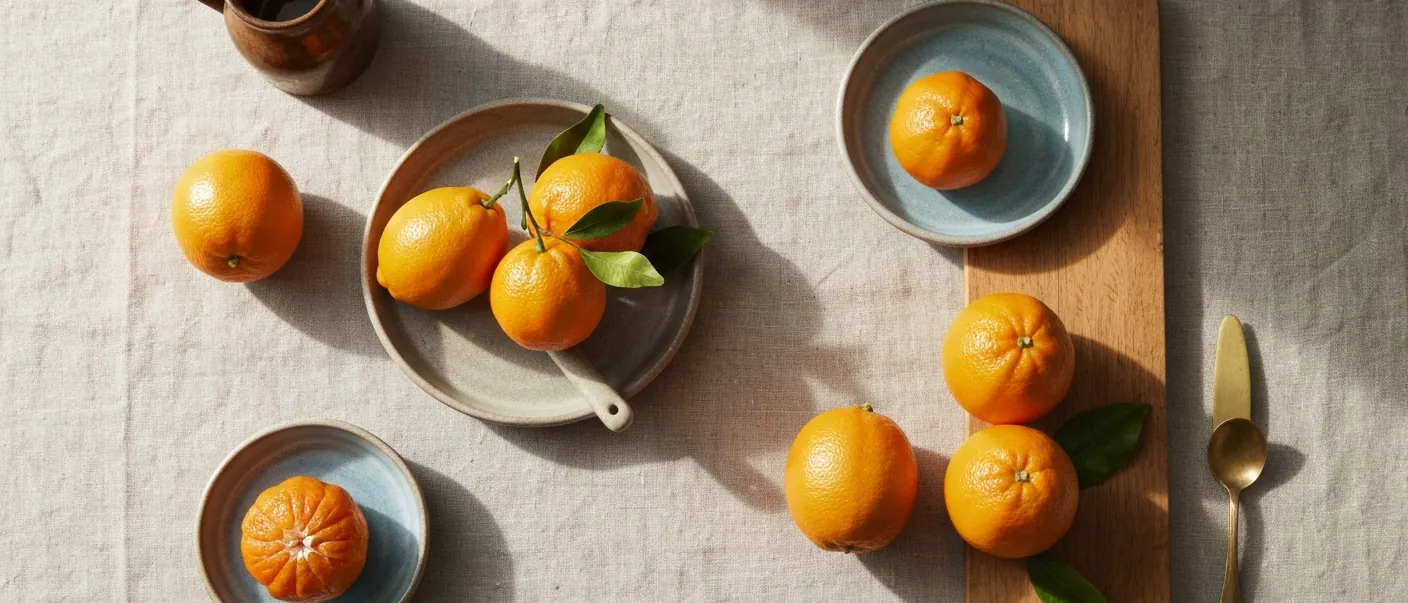
Look for fruit that feels heavy for its size, with taut, deeply coloured skin and a strong citrus scent before you break the surface. Soft patches or shrivelled peel suggest the fruit has been sitting too long. Cut one open and the pith should be thick and white — that bulk is where much of the pectin lives.
Fresh Sevilles also have uses beyond marmalade. The juice cuts through richness in a way a lemon can't quite manage, and the grated zest carries an intensity that sweet orange peel lacks. But marmalade is where they belong, and it is what the British kitchen has always done best with them.
The makers who wait all year
There is something telling about a craft that requires this kind of patience and planning. Britain has a long, deep relationship with marmalade — one of the few preserves that has remained genuinely central to the national breakfast table — and much of that continuity depends on small producers who treat the Seville season with the seriousness it demands. They are not reactive; they are ready. The fruit arrives, and they get to work.
If you have not looked closely at how marmalade is actually made — the cutting, the long cook, the setting point — our piece on the marmalade craft covers what distinguishes a considered small-batch preserve from a factory jar.