The season and where to look
From September through to November, hedgerows across Britain flush red and orange with rosehips — the swollen seed cases of the dog rose, Rosa canina, the most common wild rose in the country. Oval, bright scarlet, clustered along thorny stems in field margins, woodland edges and country lanes, they are hard to miss once you start looking.
The forager's rule is to wait for a frost before picking. Cold breaks down the cell walls, softening the flesh and concentrating the flavour. A hip picked in early October can taste sharply astringent; the same hip after a hard November frost is sweeter, almost jammy. If the season stays mild, a night in the freezer achieves something similar — not identical, but close enough.
Pick from unsprayed hedgerows, well away from busy roads. You want neither agricultural chemicals nor roadside pollution in anything you plan to eat or drink.
Why you don't eat them raw
Inside each hip, surrounding the seeds, are fine bristly hairs — irritating to mucous membranes, and the source of the itching powder that generations of schoolchildren made from them. That is reason enough to process hips rather than bite into them. The flesh, once separated from seeds and hairs and cooked down, is richly coloured and tart, with a flavour somewhere between ripe tomato and dried cranberry, carrying its own floral note unlike any other hedgerow fruit.
The vitamin C content is exceptional. Weight for weight, rosehips contain substantially more than oranges — a fact that, for one particular generation, was not merely a curiosity but a matter of national policy.
The wartime chapter
During the Second World War, with citrus imports effectively cut off, the government turned to the hedgerow as a public health resource. Rosehip syrup became a priority, and an organised national collection effort was launched. Schoolchildren were sent out in groups to gather hips from hedgerows across the country, paid per pound collected, and gathered them by the hundredweight.
The syrup was distributed through clinics and chemists, directed particularly at young children. It worked — and it lodged in the memory of a generation. That dark, sweet-sharp syrup, spooned out in measured doses, became one of the sensory markers of post-war British childhood. Commercial rosehip syrup remained a nursery staple well into the following decades, familiar to parents and grandparents in a way that has largely faded now.
That history gives the hedgerow hip a peculiar cultural weight. It is not merely a wild fruit — it is a fruit that once had a civil servant behind it, a procurement chain, a public health rationale.
Traditional uses
The most enduring British use is syrup: hips processed and strained carefully to remove every trace of those irritating hairs, then cooked down with sugar into something that keeps through winter. Stirred into warm water it makes a simple drink; drizzled over porridge or yoghurt, it cuts through richness with a pleasing sharpness.
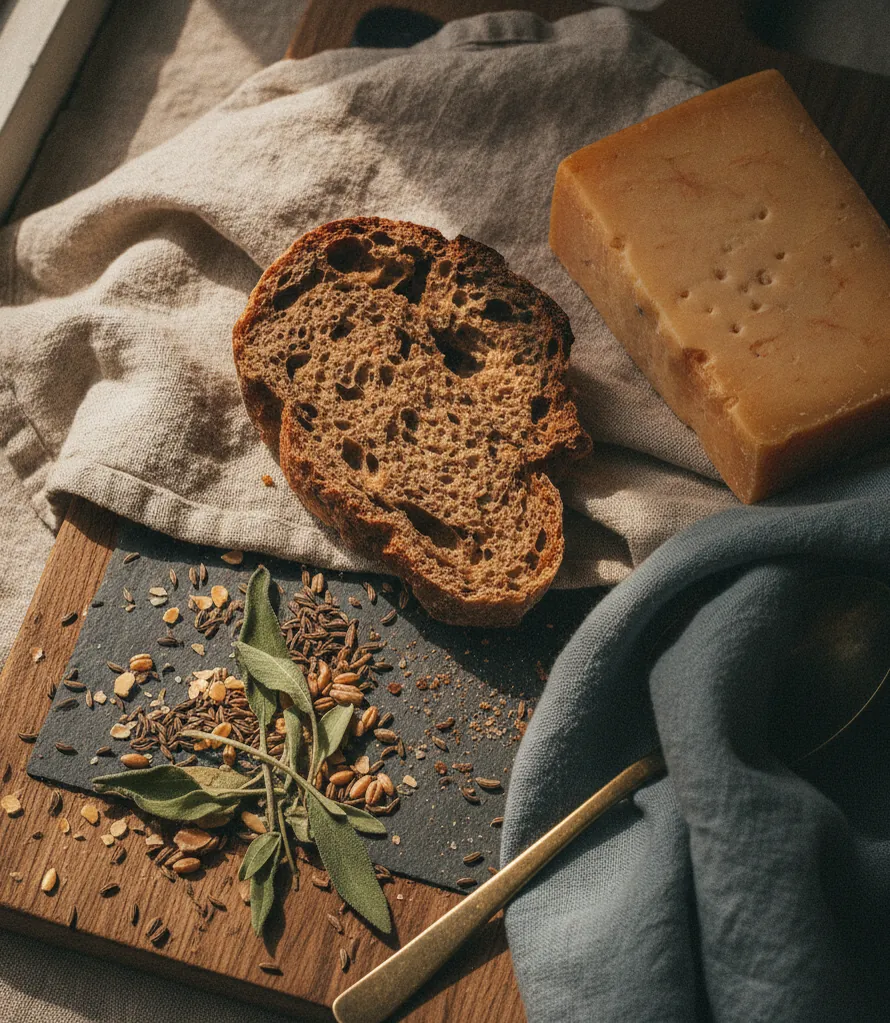
Rosehip jelly is the other great British tradition — clear, jewel-coloured, served alongside game or strong cheese much as redcurrant jelly is. The flavour has enough acidity to hold its own against fatty or cured meats. Scandinavian and central European kitchens extend rosehip preparations into soups and tarts, but in Britain, syrup and jelly are the canonical forms. They are the ones worth seeking from small-batch producers who still make them from foraged or hedgerow-grown fruit each autumn.
Finding it now
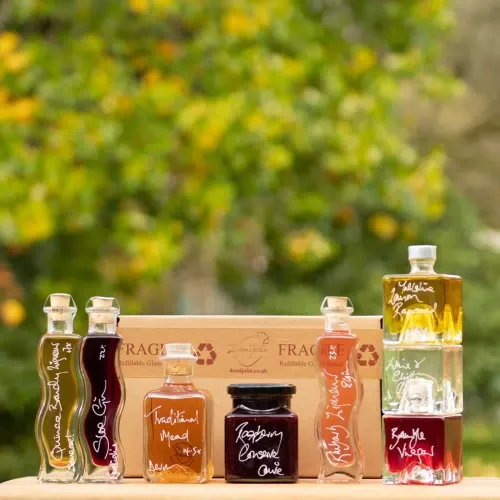
Commercial rosehip syrup of the old sort — the kind that came in a dark bottle from the chemist — is less common than it was, though it has not vanished. What has grown is the number of small British producers making it properly, from actual hips, in small quantities each autumn. The same goes for rosehip jelly and rosehip vinegar, which has found a following among cooks interested in British hedgerow ingredients.
For those foraging their own, the window is short and weather-dependent. Check hedgerows from late September onwards and be patient — the best hips are almost always those that have had time to soften on the branch. Take a bag, leave plenty for the birds (fieldfare and redwing rely on them through winter), and expect your fingers to be well scratched by the end of it.