A brief window
The nettle season runs from March through to May, and timing matters. What you are after are the young tops — the first four to six leaves of new growth, bright and tender before the plant flowers. Once nettles come into flower, the leaves coarsen and develop gritty particles called cystoliths that survive cooking. The window is short, and the difference between a good picking and a poor one is obvious the moment you taste it.
That urgency is part of what has made nettles such a persistent part of British food culture. In early spring, when stored root vegetables are running low and the kitchen garden has almost nothing to offer, nettles are already abundant — the first wild food available in quantity, which explains why people bothered with them at all.
What they taste like
Raw nettles are not an option: the hollow hairs raise a weal on skin in seconds. Cooking or drying destroys the sting entirely. A brief blanch is all it takes. What remains is a leaf with a flavour that sits somewhere between spinach and green tea — mineral, a little grassy, with a depth that spinach alone does not quite have.
That mineral quality is not imaginary. Nettles are genuinely rich in iron, calcium and other minerals, which partly explains why country people across Britain treated them as a spring tonic after a long winter of salted meat and root vegetables. The broths and tonics made from nettle tops were less a folk remedy than a practical response to what the season offered.
How Britain has always eaten them
Nettle broths appear in British food history going back centuries, made by simmering the young tops with whatever else was to hand — oats, leeks, a bone if there was one. Eat what has just arrived, because it is there and your body is glad of it after winter.
Nettle beer is another old tradition, still made by home brewers across the country. It is a light, slightly herbal country brew, historically fermented with whatever sugar was available. It tastes nothing like hop beer — greener, more delicate, very much of its season.
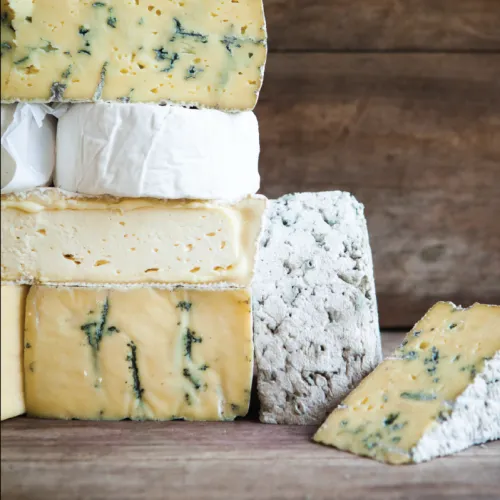
The leaf has also found a more formal place in British cheese-making. Cornish Yarg — covered separately on this site — is wrapped in nettle leaves before it matures, the leaves pressing into the rind and contributing to its appearance and character. It is one of the cleaner examples of a wild plant being drawn into a named, structured food tradition rather than simply foraged and eaten.
Where and how to pick
Foraging nettles requires common sense rather than specialist skill. Gloves are essential — thick ones, not the light gardening kind. The young tops snap off easily between gloved fingers, and a carrier bag fills quickly once you have found a good patch.
Where you pick matters as much as when. Avoid field edges where agricultural spraying is likely, and avoid well-used dog-walking paths and urban verges. Nettles growing in damp, sheltered spots — along stream banks, in the corners of old gardens, at the edge of woodland — are generally what you want. They grow prolifically, so there is no need to strip a patch; take the tops lightly and the plant will keep producing.
There is something satisfying about gathering the first genuinely abundant green thing of the year. Something that was wild and stinging a moment ago is now a bag of food — a minor act of resourcefulness, even if dinner is only twenty minutes away.
An honest British wild food
Nettles are not fashionable in the way that some foraged foods have become, which is probably why they remain honest. They are free, they are everywhere, and they have been eaten here since long before anyone thought to write it down. The season is short enough to be worth paying attention to — March to May, the young tops only, before the plant flowers and the moment passes.