A root that earns its reputation
Horseradish is a plant Britain has half-forgotten it grows so well. A hardy perennial, it pushes up broad, dock-like leaves in rough ground, hedgerows and allotment edges, and once established it is almost impossible to shift. The root — cream-white beneath a rough, greyish skin — is best dug from autumn through to the end of winter, when the plant's energy has retreated downward and the flesh is dense and pungent.
Fresh root doesn't look dramatic. Snap it open, though, and you'll understand immediately why cooks have reached for it alongside rich, fatty meat for centuries. The smell hits before the heat does.
The chemistry of the kick
The fire in horseradish comes from volatile compounds held in separate compartments within the root's cells. While the root is whole, they remain relatively inert. The moment you break those cells — by grating, cutting or bruising — the compounds combine and produce the sharp, sinus-clearing heat horseradish is known for. It is a defence mechanism the plant evolved to deter animals.
Because the compounds are volatile, they dissipate quickly once the root is grated. Left in the air, freshly grated horseradish loses most of its heat within half an hour. This is why vinegar matters: a splash of acid halts the reaction and fixes the heat at whatever level it has reached. Grate and add vinegar swiftly for maximum ferocity; wait a few minutes before adding it and the result will be noticeably milder. Neither is wrong — it depends on what you want.
One practical warning: the fumes released during grating are genuinely eye-watering, much like a very powerful onion. Working near an open window, or at least turning your face away, is not excessive caution.
Making a sauce
The classic British preparation is grated fresh root folded through lightly whipped double cream, sharpened with vinegar and a little seasoning. The cream softens the heat without smothering it, and the texture sits somewhere between a condiment and a relish. If yours tastes meek, you have probably lost too much heat before fixing it with vinegar, or used too little root for the quantity of cream.
Proportions are entirely a matter of taste. Some cooks add a pinch of sugar; some use crème fraîche in place of cream for a cleaner sharpness. What matters is that the horseradish flavour is present and unapologetic.
What to serve it with
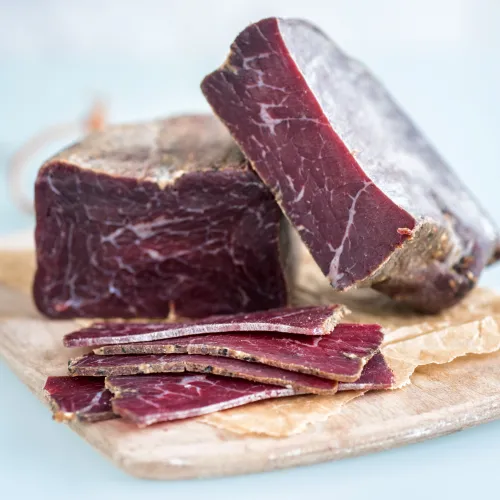
The obvious partner is roast beef. The bright, almost metallic heat of fresh horseradish cuts through fat and deep savouriness in a way that mustard cannot replicate. It works equally well cold, alongside leftover beef — making it a useful condiment to have ready whenever cold cuts appear on the table.
Smoked fish is a less obvious but equally rewarding match. The smokiness and oiliness of mackerel or eel call for something that pushes back, and fresh horseradish sauce does exactly that. The same logic applies to smoked salmon, where a little horseradish cream alongside gives the whole plate considerably more to say for itself.
Beetroot is the third classic companion. The earthiness of roasted or pickled beetroot and the heat of horseradish have an affinity that Scandinavian and Eastern European cooking has long understood, and that British cooking is slowly rediscovering. We have written about beetroot's own seasonal moment elsewhere on the site; the two roots together are worth treating as a pairing in their own right.
Finding and foraging
Fresh horseradish root is stocked by some greengrocers and farm shops in the autumn and winter months. If you are considering foraging for it — and it does grow semi-wild across parts of Britain — correct identification is important. The leaves can be confused with other plants at certain growth stages. A reliable field guide and, ideally, an experienced forager to learn from are worth the effort before you dig anything up. The root itself, once correctly identified, is unmistakeable by smell.
Whether bought or foraged, store the root wrapped in a damp cloth in the fridge. Grate only what you need and prepare your sauce fresh — that way you get the full benefit of everything that makes this root worth the trouble.