A town that takes pies seriously
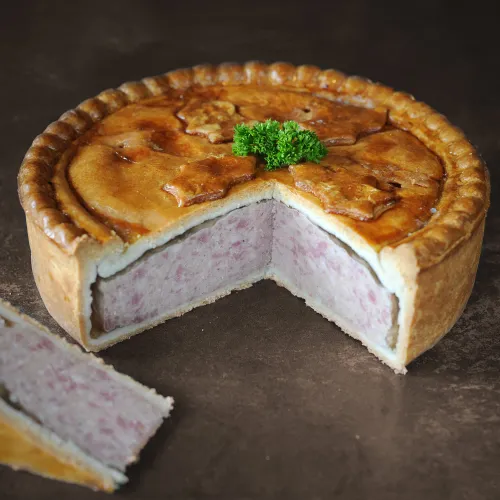
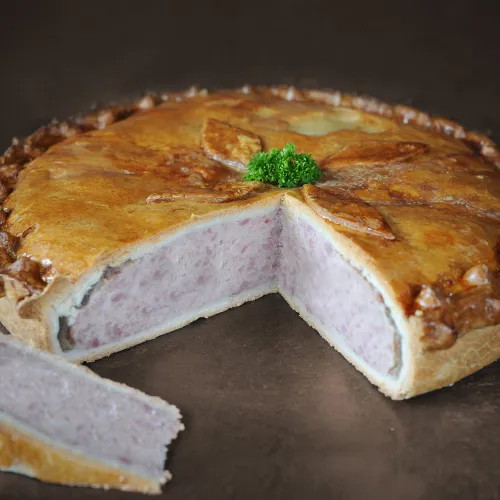
Melton Mowbray has a stronger claim than anywhere else in Britain to call itself a pie town. It is home to the Melton Mowbray pork pie, one of a small number of British foods to hold Protected Geographical Indication status — meaning a true Melton pork pie can only be made within a defined area around the town, following a specific method. That heritage gives the British Pie Awards a credible home. Melton's wider food identity — a proper Tuesday market, independent butchers and a confident artisan food scene — means the competition lands somewhere that actually cares about the result.
The venue matters too. Staging the judging inside the parish church of St Mary the Virgin gives the event its most recognisable images: rows of pies laid out beneath medieval stonework, judges moving quietly along the tables with notebooks. It is not a format designed for theatre, but it produces it anyway.
What gets judged, and how
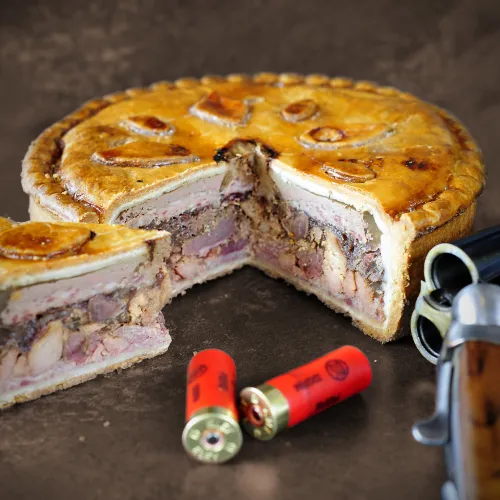
The competition is structured around classes rather than a single open category, which is what makes it genuinely useful to the trade. Pork pies sit alongside fish pies, chicken and game pies, vegan pies and dessert pies, with classes for miniature pies and for those made by butchers specifically. Each class produces its own winner before an overall supreme champion is chosen from across all categories — so a small bakery making an exceptional fish pie is not competing directly against a specialist pork pie producer with decades of craft behind it.
Judging takes in pastry quality, filling, seasoning and the relationship between the two. A soggy bottom scores poorly; an overfilled pie that collapses on cutting is marked down. Judges are looking for coherence — a pie that holds together structurally, tastes deliberate, and delivers the same experience in the last bite as the first.
The definitional argument
The most interesting question the awards must settle each year is not about seasoning or pastry thickness. It is about what a pie actually is.
The sticking point is the lidded dish: a filling in a ceramic or foil container, topped with pastry, with no pastry base. Technically this is a pot pie or a pie dish — but colloquially, much of Britain calls it a pie without hesitation. The awards have to draw a line, and that line shifts the commercial stakes considerably. A bakery producing chicken and mushroom filling in a deep dish with a shortcrust lid uses a very different process from one constructing a fully enclosed hot water crust. If both compete in the same class, neither is judged fairly.
This is not pedantry. Pastry-making skill is at the core of what the competition recognises. A freestanding hand-raised pie demands a different technique from a topped dish, and conflating the two obscures the craft the awards exist to celebrate. Most years the organisers hold the line: a pie needs fully enclosing pastry to qualify in the main classes, while lidded dishes may enter their own category. The argument resurfaces anyway.
Why the competition matters to small producers
For a large supermarket supplier, a competition result is useful marketing. For a small independent baker, it can be genuinely transformative. A class win at a nationally recognised event justifies raising a price, approaching a new stockist, or persuading a hesitant local customer to try something unfamiliar.
The class structure also means entrants receive feedback specific enough to act on. Knowing your pastry scored well but your seasoning was inconsistent is more useful than a general placing. Independent bakers rarely have access to structured external assessment, and for many the awards function as much as a professional development exercise as a competition.
There is also the straightforward fact of being seen. A small pie maker from a market town in Shropshire or a bakery operating out of a farm shop in Northumberland is unlikely to appear in national food press otherwise. The awards create a moment where that producer stands alongside established names, judged on the same terms.
Melton as a destination
The awards put a spotlight on a town that repays attention beyond the event. Melton Mowbray's Tuesday market remains a working market in a way that many British town markets no longer are — livestock, produce and local traders rather than a purely artisan showcase. The town's food reputation extends beyond the pork pie to Stilton (the cheese is made in surrounding villages, not Melton itself, but the town has long been central to its trade) and a network of local food businesses that reflects genuine regional character rather than a curated food quarter built for visitors.
The judging is usually held in spring — check the official event website for this year's dates and any associated programme. The town is worth a morning regardless of timing.