What Broadway Market is
Broadway Market runs along a road of the same name in Hackney, east London, linking London Fields at one end to the Regent's Canal towpath at the other. On Saturdays, stalls fill the street from late morning, and the permanent shops on either side — independent bakers, wine merchants, bookshops, a few good pubs — open wide to catch the same crowd. The result is something denser than a farmers' market and more considered than a car boot sale: a particular kind of urban food destination that London does well when it does it at all.
The market's history follows a pattern familiar across the city. There was a working street market here long before the current stalls, one that declined as the surrounding area changed. What returned was different in character — less about cheap everyday staples, more about the kind of food people travel across a borough to buy. Whether that is an improvement depends entirely on what you came for.
Where it excels
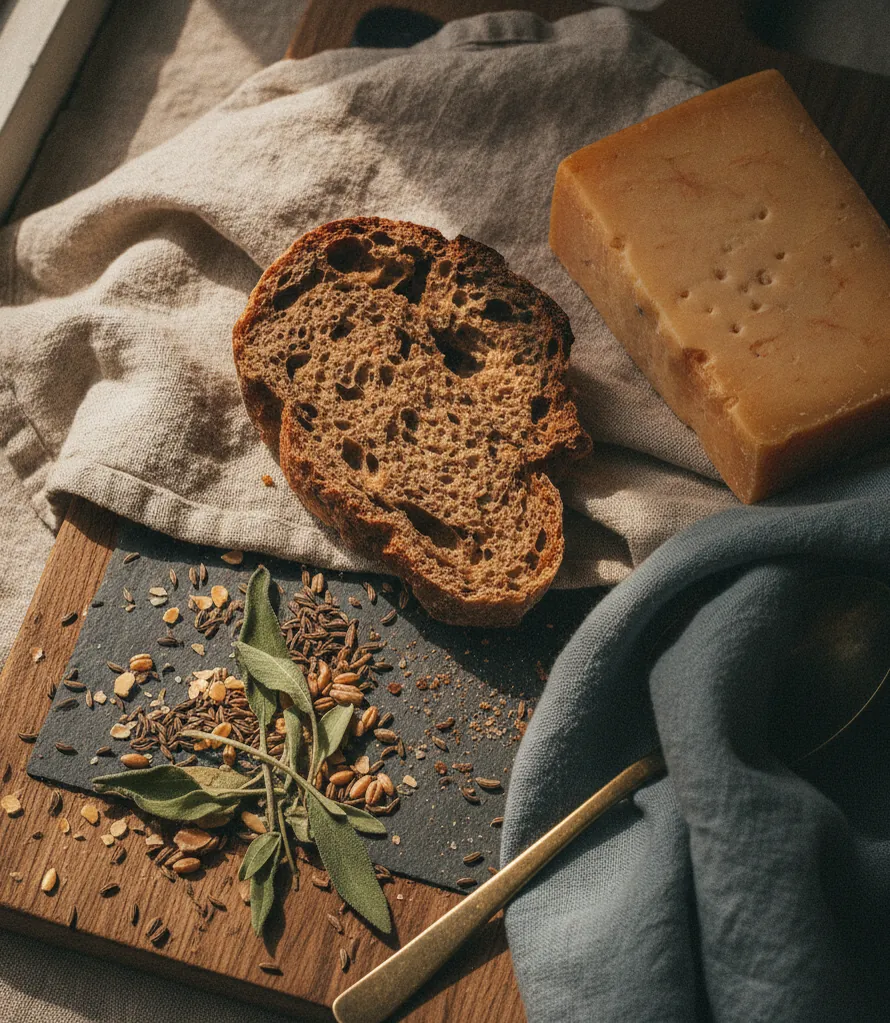
Bread is the strongest argument for making the trip. Several bakers trade here, the standard is high, and queues form early. Sourdough loaves, enriched pastries, rye breads with serious crust — this is baking that benefits from being bought directly from the people who made it, still warm enough that the bag steams on the walk home.
Cheese and charcuterie stalls are another draw. British farmhouse cheeses sit alongside European imports, cut to order rather than pre-wrapped, and stallholders can usually tell you something useful about what they are selling. Coffee — both roasted beans and cups to drink on the spot — is taken seriously in the way it tends to be at markets that attract a certain kind of Saturday shopper.
For lunch eaten standing up or on a wall, Broadway Market is very good. Prepared food stalls cover considerable ground: slow-cooked meats, flatbreads, dumplings, things on skewers. Quality varies across the range, as it always does, but competition keeps the better traders sharp.
Its limits as a food shop
Arrive hoping to do a full week's shopping and the market will disappoint in specific ways. Fruit and vegetable stalls exist, but the range leans towards the interesting rather than the comprehensive — heritage tomatoes and unusual salad leaves appear more readily than reliable basics. Pricing reflects the format: this is speciality retail, and the margins that allow small producers to trade sustainably are built into what you pay.
Stock is finite and does not get replenished during the day. Arrive late and the best bread will be gone, the cheese counter will have gaps, and the prepared food queues will have thinned for the wrong reasons. Early arrivals fare far better here than at almost any other format of food shopping.
The crowding
Broadway Market is popular in a way that creates its own friction. The road is short, the stalls face each other across a narrow gap, and on a busy Saturday the press of people moving in opposite directions makes browsing feel like work. Pushchairs and dogs — both numerous — add to the density. Worth knowing before you go, particularly if a leisurely wander is the plan rather than a purposeful shop.
The compensation is the setting. London Fields is immediately at one end, large enough to absorb the overflow crowd. The canal towpath at the other end gives the whole morning a logic: market first, then a walk along the water, or the reverse. On a dry Saturday, the two together make for a better few hours than the market alone would suggest.
Making the most of it
The market runs on Saturdays; check the official Broadway Market website for current hours and any seasonal variations before you go. The surrounding permanent shops are often worth as much attention as the stalls — they have been shaped by the same customer base and stock accordingly.
Go with a short list of things you actually want — good bread, a cheese to try, something to eat on the spot — and treat anything else as a bonus. That framing suits the format far better than arriving with a full shopping list and high expectations of efficiency. Broadway Market is at its best when the Saturday morning is the point, not just the means to an end.