Bread is where the freezer earns its keep
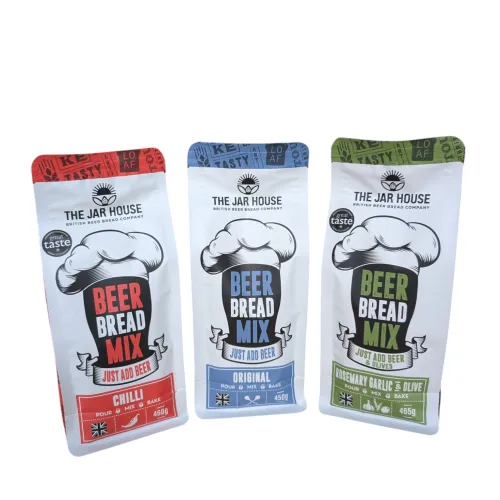
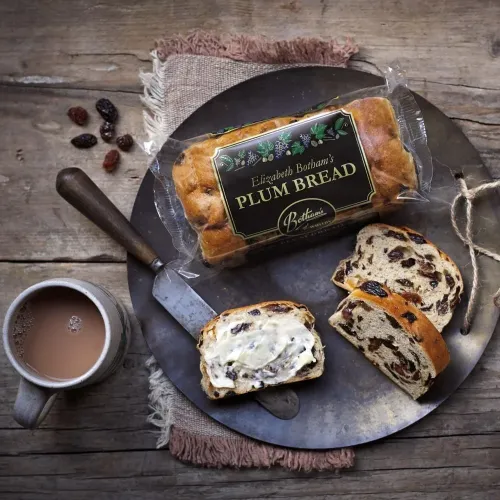
Of all artisan foods worth buying in bulk and freezing, good bread is the most forgiving. A sourdough loaf, a proper rye, a seeded bloomer — slice before freezing and you can pull out exactly what you need, toast it straight from frozen, and the crust will recover almost entirely. The crumb bounces back. For many breads, the difference between fresh-baked and defrosted-and-toasted is almost negligible.
Wrapping well is essential. Exposed bread dries out even in the freezer, and freezer burn on an expensive artisan loaf is a dispiriting waste. A tight wrap in beeswax cloth followed by a zip-lock bag works well; cling film alone tends to let moisture creep in unevenly.
Enriched breads — brioche, milk loaves, the softer styles — also freeze well, though their texture on thawing is slightly more delicate. Worth knowing, but not a deterrent.
Hard cheese survives, but on one condition
Hard cheeses — mature Cheddar, aged Lancashire, a crumbly Cheshire — do freeze, but the texture changes. Ice crystals disrupt the protein structure, making the cheese more brittle and prone to crumbling. For cooking, that barely matters: grated straight from frozen into a sauce or scattered across a dish, a frozen hard cheese is genuinely useful. On a cheeseboard, it is not the same thing.
Freeze hard cheese only when you know it is destined for heat. Never freeze it hoping to serve it as it was.
Soft cheeses — cream cheese, ricotta, fresh chèvre, anything with a high moisture content — collapse badly. The texture becomes grainy and watery on thawing, and no amount of stirring rescues it. Cream breaks in exactly the same way. Buy these fresh and use them promptly.
Chocolate is genuinely damaged by cold
Chocolate and the freezer are, in most circumstances, a bad combination. The culprit is bloom: when chocolate is chilled rapidly or exposed to condensation on thawing, cocoa butter separates and migrates to the surface, leaving a dull, greyish-white film. The chocolate remains edible, but the texture turns slightly grainy and the visual appeal — considerable with a well-tempered artisan bar — is lost.
For long-term storage, a cool, dark cupboard is far kinder than the freezer. Consistent, moderate temperatures do far less damage than cold and fluctuation. The fridge is almost as problematic: the cold itself matters less than the humidity and temperature change when the chocolate comes back out.
Cakes: most are fine, icing is not
Un-iced cakes freeze surprisingly well. A good sponge, a dense fruit cake, a banana loaf — wrap tightly, freeze whole or in slices, and they defrost to something very close to what they were. The fat and sugar in most baked goods act as a buffer against ice-crystal damage.
Icing and decoration are the problem. Buttercream can split; fondant weeps; fresh fruit toppings collapse entirely. The practical answer is to freeze the cake plain and finish it once defrosted. Many artisan bakers do exactly this — it is standard practice in professional kitchens, not a shortcut.
Pastry is more variable. Shortcrust freezes reasonably well unbaked; once baked and filled, particularly with anything custard-based, it softens and loses its snap. Cream-filled pastries — éclairs, mille-feuille, custard tarts — should be eaten fresh.
The principle behind all of it
The freezer works best on foods with low moisture, high fat or high sugar content, and relatively robust structures. It struggles with anything that relies on precise texture — a delicate emulsion, a light gel, a finely tempered surface.
For artisan food, it is also worth thinking about what you are trying to protect. Buying smaller quantities more often is frequently the better answer, and with producers selling at farmers' markets or through local delivery, that is usually possible. But when you do have more than you can use, the freezer — handled with a little care and honesty about its limits — is a genuine ally rather than a last resort.