Why oil goes off
Oil doesn't spoil the way meat or dairy does, but it does deteriorate. Rancidity is the result of oxidation: exposure to air, light and warmth sets off a chain reaction in the fatty acids that produces flat, musty, sometimes bitter flavours. The oil isn't dangerous to eat, but it can quietly ruin a dish you've taken care over.
Both olive oil and cold-pressed rapeseed oil are vulnerable to this process, though in slightly different ways. Olive oil, particularly an extra-virgin oil with high polyphenol content, has natural antioxidants that offer some protection. British cold-pressed rapeseed oil, rich in omega-3 fatty acids, is more chemically reactive and can turn faster if stored carelessly. Neither is as forgiving as people tend to assume.
The three things that do the damage
Light is the most underestimated enemy. Ultraviolet radiation accelerates oxidation rapidly, which is why quality oils are bottled in dark glass or sold in tins. A clear-glass bottle on a bright kitchen shelf may look appealing, but the oil inside degrades with every hour in the light.
Heat drives off the volatile aromatic compounds that give a fresh oil its character, as well as speeding oxidation. The spot next to the hob, above the cooker, or on a sunny windowsill is the worst place in the kitchen for oil storage, yet it's where most people keep theirs.
Air is the third factor. Once a bottle is opened, every time you leave the cap off you're introducing oxygen. Screwing the lid back tightly immediately after pouring costs nothing and makes a genuine difference over the life of a bottle.
Where and how to store it
A cool, dark cupboard away from the oven suits almost every household. A larder, pantry shelf, or kitchen cupboard on an exterior wall all work well — anywhere that stays consistently cool and sees no direct light.
The fridge is sometimes suggested for rapeseed oil, and it does slow oxidation. The drawback is that olive oil will turn cloudy and thick when chilled — perfectly fine once it returns to room temperature, but inconvenient. A cool larder serves better than the fridge for everyday use.
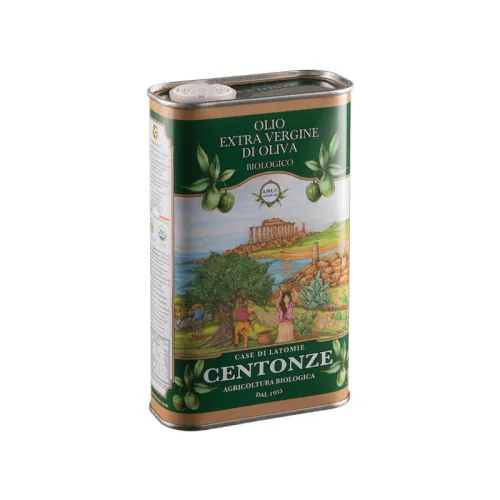
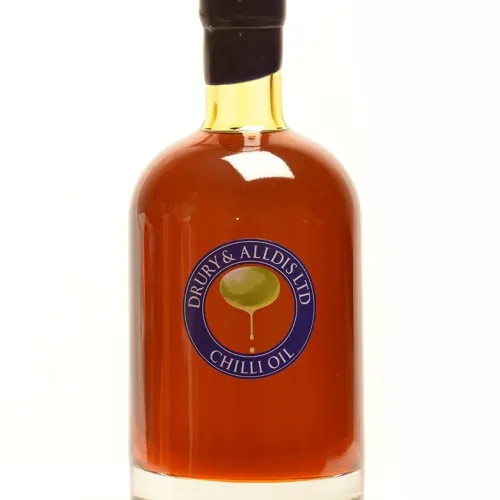
The container matters. Dark glass and tins are both sound choices; tins are especially practical for larger quantities because they block light completely. If you decant oil into a clear glass pourer for the table, keep the quantity small and use it up quickly.
Buy the right amount
The simplest way to protect your oil is to buy sizes you'll finish within a few months of opening. A large tin bought for economy can end up worse value if the oil in the bottom half has gone flat before you reach it.
Fresh-harvest olive oils — new-season releases from producers and specialist shops — are made to be used young. They carry vivid, sometimes peppery flavours that fade as the oil ages. Holding onto one for a year defeats the purpose of buying it.
The best before date on a bottle tells you something, but not everything. It is calibrated for an unopened bottle in ideal conditions — not one that has been opened, left on a warm shelf, and used daily for months. Think of the date as marking the outer limit of potential freshness rather than a hard guarantee. Trust your nose: fresh olive oil smells grassy, fruity or faintly bitter; fresh rapeseed oil has a clean, slightly nutty quality. If an oil smells of old crayons or stale fat, it has turned.
Using what you have well
A fresh extra-virgin olive oil poured over finished dishes — grilled vegetables, beans, bread, good cheese — delivers far more than the same oil cooked from the start. British cold-pressed rapeseed oil, with its clean flavour and relatively high smoke point, earns its place used simply: dressed over salads or spooned onto roasted roots just before serving.
Neither oil needs elaborate treatment. Keep both away from light, heat and air — and use them up while they're still good.