The science in a single sentence
Cold suppresses aroma and sweetness while accentuating carbonation and bitterness. Warmth does the reverse. Every serving convention for beer, cider, whisky and wine follows from it.
When a drink is very cold, volatile aromatic compounds stay locked in the liquid rather than reaching the nose. Sweetness becomes harder to detect. Bitterness and the physical sensation of carbonation move to the front. Warm the same drink and the aromatics lift, the malt or fruit character opens, and the whole thing becomes more expressive — for better or worse, depending on what is actually in the glass.
Beer: why cellar temperature matters
Cask ale is served at cellar temperature — cool rather than cold, somewhere between a domestic fridge and a warm room. That range lets the malt character and hop aromatics show. Serve it straight from the fridge and the nose closes down, the sweetness flattens, and you are left with a cold, faintly bitter liquid.
Industrial lager is deliberately served near freezing, partly because there is very little aroma to lose — and the sharp cold and high carbonation are exactly what the drink is designed to deliver. That is a different intention, not a contradiction.
If you have bought a good bottle-conditioned ale worth savouring, resist drinking it ice-cold. Take it from the fridge twenty minutes or so before you want it and let it settle towards cool. Our Guide to Cask Ale covers why cask conditioning produces a drink that rewards this kind of attention.
Cider and white wine
Good cider — particularly single-variety or farmhouse styles — behaves much like white wine, and white-wine serving temperature is a reasonable guide. Cold enough to be refreshing, not so cold that the apple character disappears. A standard fridge at its coldest will over-chill both. If a cider has come straight from the fridge, give it five to ten minutes before pouring; the difference can be striking.
Sparkling wine is the one category where colder is genuinely correct. Low temperature keeps carbon dioxide dissolved in the liquid, maintaining the bead and slowing the wine from going flat. The cold is doing structural work rather than simply suppressing flavour — though even sparkling wine need not be icy, simply well-chilled.
Whisky: what ice is actually doing
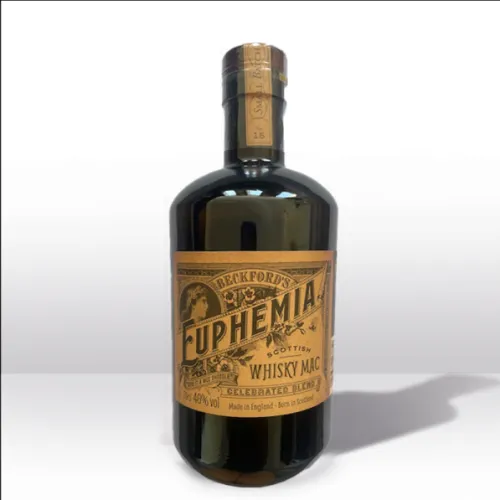
Whisky is served at room temperature for the same reason cask ale is not served from a freezer. The esters and congeners that carry the spirit's character — dried fruit, smoke, coastal brine — are volatile, and warmth lets them reach the nose. Ice chills the liquid rapidly, mutes those aromatics, and can cause chill-haze as certain compounds precipitate out of solution.
A small addition of still water is a different matter. A few drops can open a whisky up, breaking surface tension and releasing aromatics that were sitting beneath the alcohol. This is why experienced tasters add water rather than ice. You have paid for what is in that glass; ice is an efficient way to stop tasting it. Our piece on whisky tasting goes further on how nosing and palate work together, and why temperature is only the first variable.
The domestic fridge problem
Most household fridges run colder than the ideal serving temperature for almost everything except sparkling wine, butter, and raw meat. They are designed for food safety, not drink service. Beer, cider and even whisky in warm weather all tend to end up in the fridge by default — which means most arrive in the glass colder than they should.
The fix requires no equipment: plan slightly ahead. Move a bottle-conditioned ale or a good still cider to a cool kitchen surface half an hour before opening. Pour whisky without adding anything cold. For sparkling wine or very light lager, the fridge is fine — but there is no benefit in going colder than well-chilled.
Over-chilling is a form of waste. Temperature is one of the few variables entirely in the drinker's control, it costs nothing to get right, and it changes what ends up in the glass more than most people expect.