The case for one excellent thing
A food gift doesn't need to be large to feel generous. A single bar of properly made chocolate, sourced from a maker who works directly with growers and lists the origin on the wrapper, says more about the giver than a padded gift box of assorted things nobody specifically wanted. Buy the best version of a small thing rather than a mediocre version of a big one.
On a modest budget, this might mean one jar of a preserve made to a regional recipe, using named fruit, from a producer who works in small batches. It might mean a good finishing salt — the kind sold in small tins or linen bags, harvested by hand from a specific stretch of coastline. Neither is expensive. Both are specific, considered, and genuinely pleasurable to receive.
Where presentation does the heavy lifting
Perceived value is not the same as price, and presentation is where the gap between the two opens up. A jar of excellent chutney handed over in a paper bag reads as an afterthought. The same jar wrapped in tissue, tied with brown string, and placed in a small cardboard box reads as a gift. The contents haven't changed.
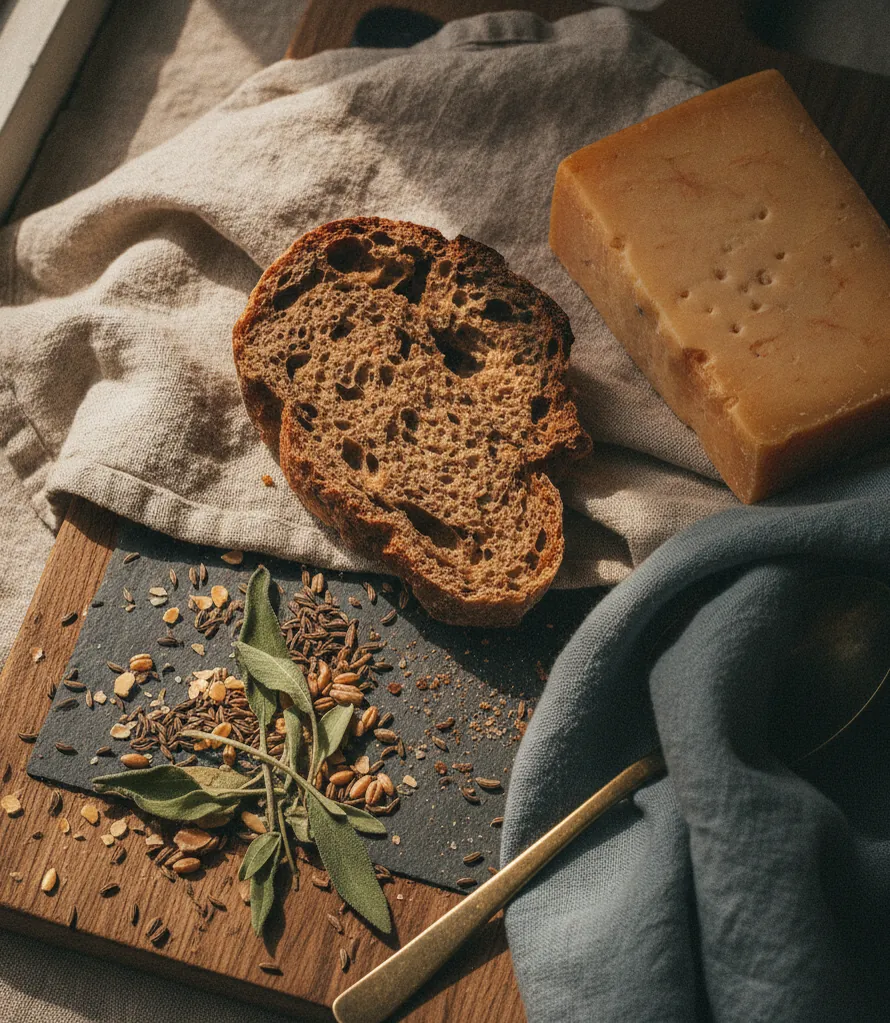
We've written separately about assembling a hamper properly — that piece covers the logic of layering and proportion in more detail — but the principle applies even to a single item. A small piece of a serious cheese, wrapped in wax paper rather than cling film, placed in a wooden or card box with a brief note about where it comes from and how it's best eaten, arrives with a story. That story is part of what you're giving.
Tissue paper, a sprig of something dried, a handwritten label: none of this costs much. What it costs is a few minutes of thought, and that is exactly what distinguishes a composed gift from a sparse one.
What a mid or generous budget changes
More money doesn't mean more items. It means better items, or a small number of genuinely complementary ones. A mid-range budget might stretch to a proper artisan cheese alongside a jar of quince paste chosen to sit beside it — two things that work together, rather than six things chosen to fill a box. A more generous budget might add a good cracker from a small bakery, made for cheese rather than as an afterthought.
The discipline is the same at every level: everything in the gift should earn its place. If you find yourself adding something because the box looks thin, that is a sign to use a smaller box, not to add a filler product.
Things worth avoiding
Novelty products are almost always a poor use of a food budget. Gin-flavoured jam, chocolate shaped like something, chilli sauce with a rude name: these trade on the joke rather than the quality, and the joke expires the moment the wrapping comes off. The recipient is left with something they wouldn't have chosen and probably won't finish.
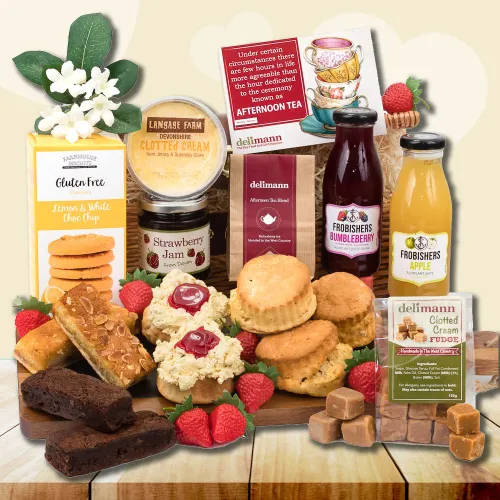
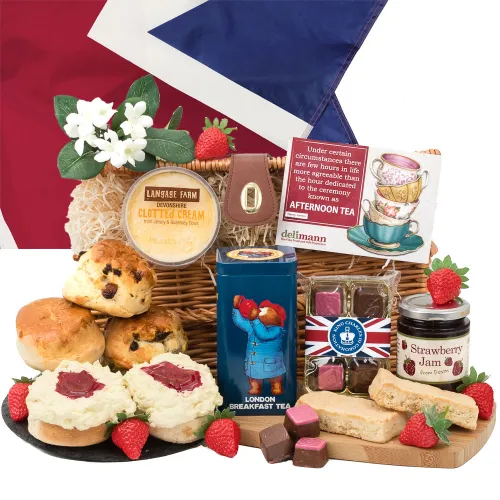
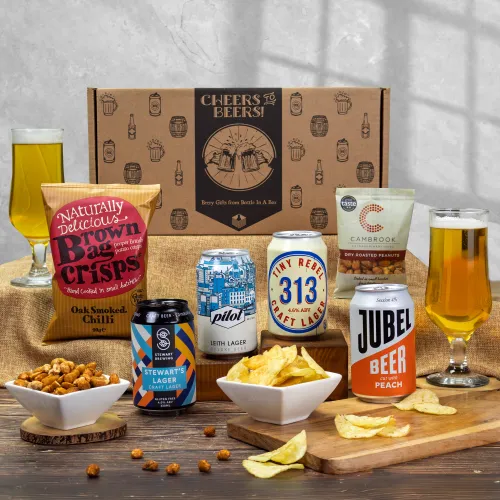
Big gift boxes assembled by large retailers are often structured around price architecture rather than quality — a few recognisable items at the front, cheaper filler behind. It is worth examining what you are actually paying for, and whether the contents, bought individually from better producers, might cost the same or less.
Perishability is also worth considering. Anything that must be eaten within a day or two puts pressure on the recipient — it becomes a task rather than a treat, especially at busy times of year. A properly sealed preserve, a cured product with a long shelf life, a tin of good biscuits, or a bar of chocolate all give the recipient the pleasure of choosing their moment.
How to shop for this
Independent food shops, farm shops, and producers' own websites are the right places to start. Staff in a good delicatessen can usually tell you where something was made and why it's worth buying — that knowledge is useful when you're trying to find one excellent thing rather than a collection of adequate ones.
Look for specificity on the label: a named place of origin, a named variety of fruit or grain, a legible ingredients list. These details signal that a producer is proud of what's in the product, and they give you something to pass on. A sentence or two about what makes it worth having, written on a card, turns a jar of jam into a recommendation from someone who knows.