Think wine, not lager
The habit of drinking cider before a meal rather than with it has done real damage to how we think about the drink. Structurally, a dry traditional cider has more in common with an unoaked Chenin Blanc than with a pint of pale ale. There is real acidity, often genuine tannin from the skins of bittersweet apples, and a residual sweetness that varies enormously depending on where it was made and how. That range of variables is what makes cider worth considering at the table.
The governing principle is the same one that drives wine pairing: acidity cuts fat, tannin handles protein and richness, sweetness fights savoury. Get those three elements working with the food rather than against it and the pairing falls into place.
West Country cider and the pig
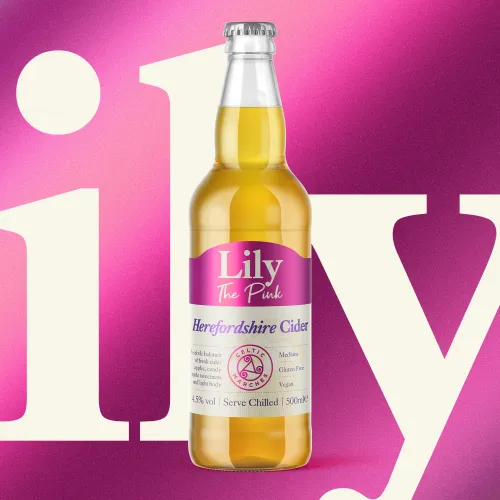
The classic British cider counties – Somerset, Herefordshire, Gloucestershire – produce ciders from bittersweet and bittersharp apple varieties. These are tannic, sometimes astringent, usually dry or off-dry, and they carry a farmyard earthiness that can be startling if you expect something fruity. At the table, that character is an asset.
Pork is the obvious partner. The acidity in a dry West Country cider slices through roast pork fat much as Viognier would, and the tannin does the same work against crackling that red wine tannin does against beef. Coarse-ground sausages with a high fat content respond the same way. Rich charcuterie – terrine, cured collar, air-dried ham – benefits from that cutting action; the cider refreshes the palate rather than coating it further.
There is a deeper logic here too. Pigs and apple orchards have coexisted in the West Country for centuries, with animals run through orchards to eat the windfall. The flavour affinity is not accidental.
Eastern counties ciders and the sharper match
Ciders from Kent, East Anglia and the eastern counties tend to be made from culinary or dessert apple varieties. The result is crisper, higher in acidity, lower in tannin, and noticeably lighter in body – closer to Muscadet than to Roussanne.
That sharper, cleaner profile suits oily fish well. Mackerel, smoked eel, potted shrimps – foods where richness needs a blade rather than a bludgeon. The acidity is precise enough not to overwhelm delicate flesh, which a heavier tannic cider from the west would risk doing.
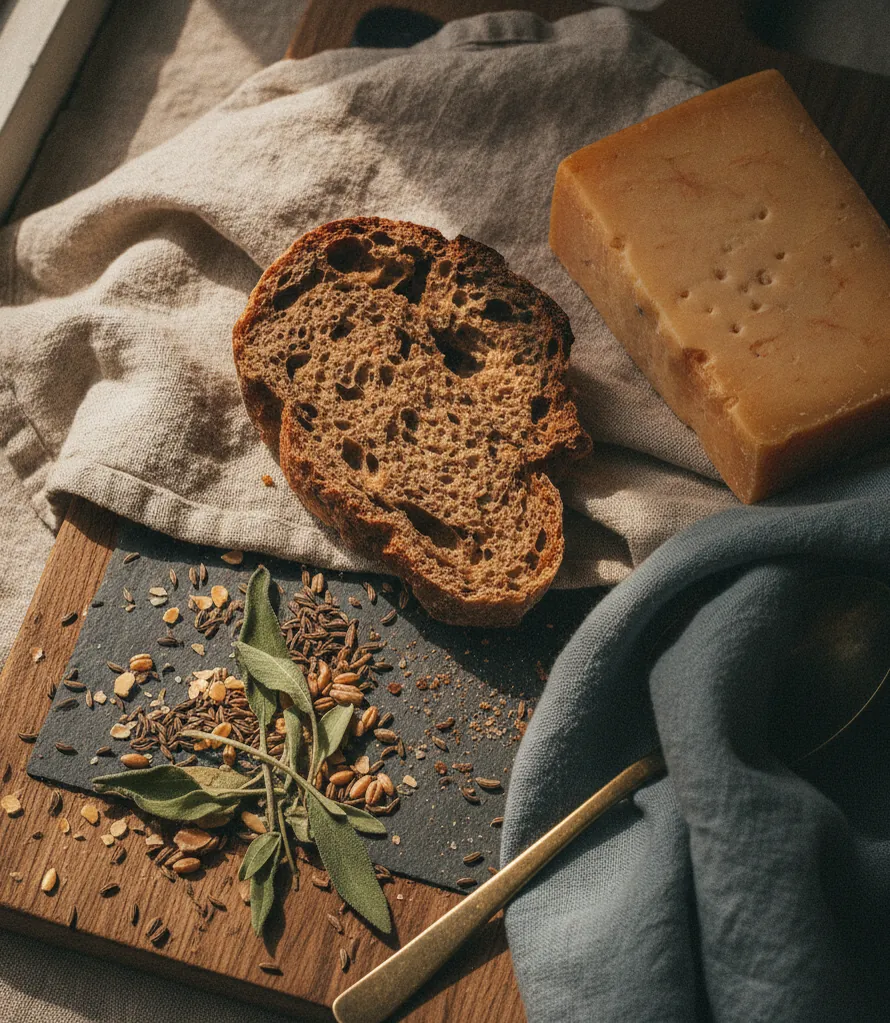
Cheese is the other strong match, and the county logic applies again. A crumbly, slightly acidic cheese from the same region as the cider shares flavour compounds built from the same soil, grass and water. This is the same terroir argument made for wine and cheese in France, and it holds. A sharp Suffolk or Lancashire cheese alongside a crisper eastern cider is worth testing against any wine pairing you already trust.
Perry: the overlooked option
Perry – made from perry pears, distinct enough from cider to deserve separate attention – is lighter, more floral, and more delicate than even a gentle cider. The tannins are fine-grained rather than grippy, and the aromatics lean towards pear blossom or elderflower depending on the variety.
That delicacy makes perry a natural companion for soft, bloomy-rind cheeses. A young goat's cheese or a gentle Brie-style round will not overpower it. Perry also works at the end of a meal alongside lighter puddings – a syllabub, poached fruit, or a not-too-sweet tart. Where a tannic cider would feel heavy after a dessert, perry sits alongside it without competing.
Reading the bottle before you buy
Matching cider to food depends on being able to read the bottle, and labelling can be patchy. A few things to look for:
- Residual sweetness: Many producers use a sweetness scale similar to wine – dry, off-dry, medium, sweet. Sweet and medium-sweet ciders tend to fight savoury food; the sugar amplifies saltiness and dulls the cider's acidity. Reserve sweeter styles for puddings or drinking alone.
- Strength: Traditional ciders vary considerably in alcohol. A lower-strength cider is often more versatile at the table; a very high-strength one can overpower food and fatigue the palate.
- Apple variety: Where a producer lists varieties, this signals likely tannin and acidity levels. Bittersweet varieties mean more tannin; bittersharp and dessert varieties mean more acidity. Our separate articles on traditional cider, perry, and cider labelling cover this in more detail.
Commercial carbonated ciders are typically made to be sweet, consistent, and cold – a reasonable brief for the style, but one that works against savoury food from the first sip. Added sweetness and reduced acidity leave the palate with nowhere to go. For the table, look for small-production, naturally fermented ciders where character comes from the fruit rather than from back-sweetening.