Where the name comes from
The name is onomatopoeia: the sounds a cold, wet mixture of potato and cabbage makes when it hits a hot pan. The explanation has stuck, and it suits the dish — unpretentious, slightly chaotic, and very satisfying.
At its core, bubble and squeak is mashed or roughly crushed potato mixed with cooked cabbage or Brussels sprouts, formed into a cake or a loose mass, and fried until the outside is deeply browned and the inside is soft. That is the whole recipe, made in British kitchens for generations.
The Boxing Day connection
Bubble and squeak occupies a particular place in the British food calendar because of what Christmas dinner leaves behind. A roasting tin of sprouts, a bowl of mash, half a tray of roast parsnips and carrots, a few stray onions — these are exactly the raw materials the dish was designed for. Boxing Day breakfast or lunch is its natural occasion: quick to make, no shopping required, and capable of absorbing almost anything left in the fridge.
The Brussels sprout is the ingredient most closely associated with Christmas bubble and squeak, which is fitting given how many households cook far more than they eat on the day. Frying transforms them in a way that boiling never does — the cut surfaces caramelise against the pan, and any sulphurous edge gives way to something nuttier and more complex.
Getting the crust right
The crust is everything, and it comes down to two things: the right pan and a willingness to leave it alone. A heavy pan — cast iron is ideal, a well-seasoned carbon steel frying pan works equally well — holds heat evenly and creates the dry, fierce contact the mixture needs. A thin pan will steam rather than fry, leaving something pallid and soft.
Once the fat is hot and the mixture pressed in, resist the urge to stir or prod. The crust only forms where the potato is in unbroken contact with the pan, and that takes several minutes of undisturbed heat. When a dark brown layer has built up underneath — lift the edge with a spatula to check — the whole cake can be flipped. Some cooks flip it onto a plate first and slide it back in; others press it in sections. Either way, the second side takes less time than the first.
Butter, goose fat, lard or a neutral oil all work. The fat left from roasting is a reasonable starting point.
What else goes in
Beyond potato and greens, leftover roast parsnips and carrots absorb well into the mixture. Both are already sweet from roasting; they add colour and a slight stickiness that helps the crust bond. Cooked onion adds depth throughout.
Season firmly — cold leftover vegetables always need more salt than you expect. The mixture can be pressed into one large cake or shaped into individual patties. Patties give more surface area for crust, which is rarely a bad trade-off.
Bubble and squeak has close relatives across Britain. Pan haggerty, the Northumberland dish of layered potatoes, onions and cheese cooked in a single pan, operates on the same logic — one pan, storecupboard ingredients, a proper crust — and the two dishes share a confidence in the potato as a vehicle for something genuinely good.
How to serve it
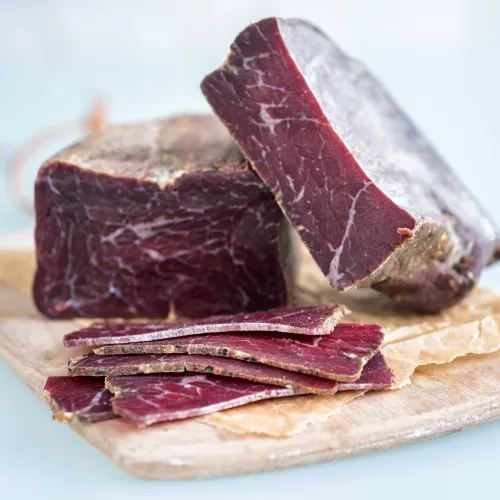
Cold sliced turkey or ham alongside bubble and squeak is a Boxing Day combination that feels almost structurally correct: hot, crisp cake against cool, lean meat, both tasting unmistakably of the day before. Strong pickles — piccalilli, or the sharp brine of pickled onions — cut through the fat and brighten the plate. A fried egg on top, yolk still runny, turns a side dish into a proper meal.
It is not a dish that requires anything else. That is rather the point.