The ratio that does all the work
Traditional Scottish shortbread is built on a formula so straightforward it sounds like a mnemonic: one part sugar, two parts butter, three parts flour, all measured by weight. No egg to bind, no baking powder to lift. What you get is a biscuit that crumbles at the touch — which is precisely the point.
The word 'short' in shortbread has nothing to do with size. It refers to the texture produced when fat coats the flour proteins and prevents gluten from developing. Less gluten means less structure, less chew, more of that characteristic sandy, melt-in-the-mouth quality. The high proportion of butter — double the weight of sugar — is what makes this happen. Reduce the fat to make the dough easier to handle, and you lose the thing that defines it.
Why butter is the whole argument
Because the ingredient list is so short, the quality of each component is exposed in a way that a more complex bake would conceal. Flour and sugar are largely consistent products. Butter is not. A butter with higher fat content and good, clean dairy flavour will produce a noticeably richer shortbread than an indifferent block from the back of the fridge. Some Scottish producers use butter from herds grazed on particular pastures, and the difference is real rather than romantic — grass-fed butter tends to carry a deeper, slightly grassy note that comes through clearly in a recipe this unfussy.
The butter must also be worked into the dough carefully. Overworking develops gluten and toughens the result; handle it too little and the texture becomes uneven. Most traditional methods work the butter into the flour until the mixture resembles fine breadcrumbs, then bring it together gently — patience matters more than technique.
Rice flour, cornflour, and the question of crispness
Some bakers replace a portion of the plain flour with rice flour or cornflour. Both are low in gluten, making the finished biscuit more tender and giving it a crisper, slightly more brittle snap rather than the softer crumble of an all-plain-flour version. Neither addition is obligatory, and purists would argue neither is traditional. Rice flour produces a faintly gritty, sandy bite; cornflour gives a smoother, almost shortcrust-like quality. Many independent Scottish bakers have their own position on this, which accounts for much of the variation between shortbreads that might otherwise look identical.
Rounds, fingers and petticoat tails
Shortbread is traditionally shaped in three ways. Rounds are the small, thick discs most people picture — often crimped at the edge with a fork or a specialised mould. Fingers are rectangular, scored from a larger slab, and the format best suited to a tin. Petticoat tails are the most visually striking: a large round cut into wedges from the centre, the segments together resembling a circular skirt.
The name is one of those pleasantly unresolved questions in food history. One theory holds that it derives from the Old French petites gâtelles, meaning small cakes, the English ear simply hearing something different. Another suggests the shape echoes the gored petticoats worn under Victorian crinolines. Both are plausible; neither is proven. The shape itself predates the argument considerably.
Hogmanay, Christmas, and the giving of shortbread
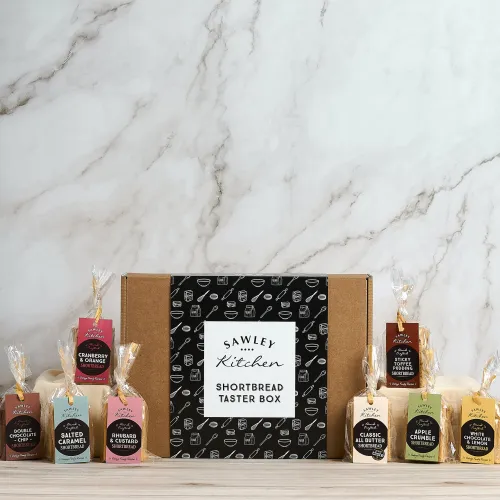
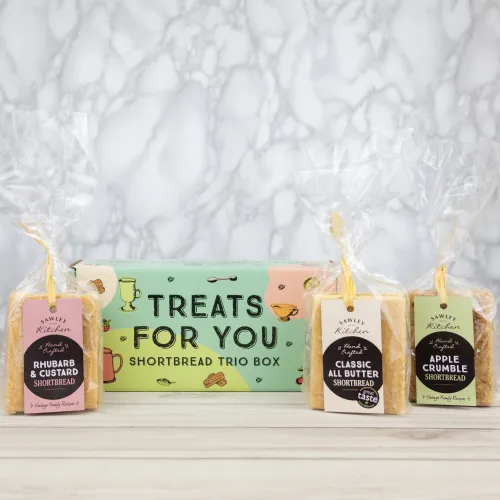
Shortbread's association with gifts and celebration runs deep in Scotland. At Hogmanay — Scottish New Year — it has long been carried by first-footers, those who cross a neighbour's threshold as the new year begins. To arrive with shortbread, alongside coal, whisky and a dark fruit loaf called black bun, is to bring good fortune for the year ahead. The gift is symbolic before it is edible, which is why shortbread tins remain a standard Hogmanay and Christmas present in a way that has outlasted many other seasonal foods.
Properly made shortbread stays crisp for several weeks in a tin, which made it a practical gift in an era when something rich and buttery was a genuine luxury. That practicality is now largely beside the point, but the tradition persists because shortbread travels well, presents handsomely, and means something specific in Scottish culture that a box of generic biscuits does not.
If shortbread represents one strand of Scotland's tradition of crafted sweet things, tablet — the grainy, intensely sugary confection made from sugar, butter and condensed milk — represents another. We have covered it separately, and the two make a natural pairing as a gift.