Three milks, three different results
Most British cheese is made from cow's milk, and there's good reason: cows produce large volumes year-round and their milk is a mild, accommodating base that suits everything from a crumbly territorial to a washed-rind softie. But mildness is a quality, not a virtue in itself. Sheep's and goat's milk bring things to the curd that cow's milk doesn't, and understanding what those things are makes you a sharper buyer and a better taster.
The differences start in the composition of the milk, long before anyone adds a starter culture.
Sheep's milk: richness and seasonality
Sheep's milk is significantly higher in fat and protein than either goat's or cow's milk. That density has a practical consequence: a cheesemaker gets more cheese from each litre, which partly explains why good sheep's cheese commands a higher price. The curd is fuller, the paste denser, and the finished cheese tends to have a smooth, almost buttery weight in the mouth even when quite firm.
The flavour is sweet rather than sharp, with a faint lanolin quality that experienced tasters describe as woolly or pastoral — distinctly animal in a way that cow's milk cheese rarely is. As a sheep's cheese ages, that sweetness deepens and a nuttiness develops, which is why older styles can stand up to strong accompaniments.
Ewes lactate for a much shorter season than cows, so genuine seasonality is built into the nature of the cheese. Sheep's cheeses made from fresh spring milk taste different from those made later in the season, and the cheesemaker has less room to adjust for this than with cow's milk. It remains one of the few areas of British cheese where seasonality is real, not a marketing concept.
Goat's milk: where the tang comes from
The characteristic sharpness of goat's cheese comes directly from the milk. Goat's milk contains a particular fatty-acid profile — capric and caprylic acids among them — that produces a distinct tang. The fat globules are also smaller than in cow's milk, which affects how fat disperses through the curd and how flavour is released on the palate.
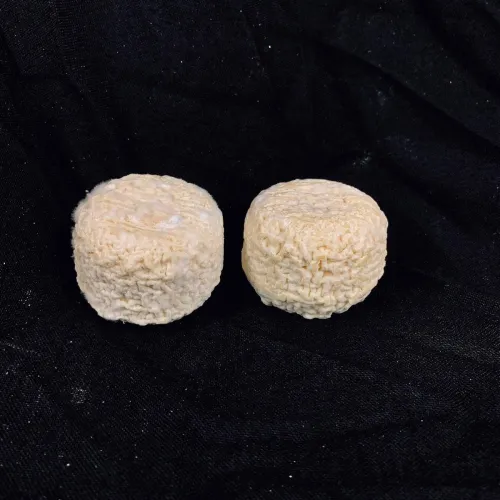
Age is the critical variable. A fresh chèvre-style round is gentle, lactic and clean; the tang is present but soft. Leave that same base to mature for weeks or months and the flavour intensifies considerably, becoming more assertive and pungent. British goat's cheeses now cover that whole spectrum, from delicate fresh rounds to aged, firm truckles with a pronounced edge. Choosing between them is a question of how much intensity you want, not whether you like goat's cheese.
Britain's revival, not its tradition
Britain does not have an ancient, unbroken tradition of sheep's and goat's milk cheesemaking in the way that parts of France, Spain and Greece do. What exists today is largely a revival — a movement that gathered momentum in the latter decades of the twentieth century and has produced some genuinely impressive cheeses, but one still finding its styles.
That's context, not criticism. British sheep's and goat's cheeses are not constrained by AOC-style protected designations in the way Continental counterparts often are. Some makers look to French or Spanish templates; others are working out something distinctly their own. The range is wider and less codified than in countries where these cheeses have centuries of precedent — which makes exploring it more interesting, if less predictable.
Cow's milk intolerance and the alternative milks question
Some people turn to sheep's or goat's cheese because they find cow's milk cheese difficult to digest. The proteins in the three milks differ in structure, and some people who react to cow's milk proteins find sheep's or goat's milk easier to tolerate. This is not the same as lactose intolerance, and responses vary considerably between individuals. If this is a concern, get proper dietary advice rather than relying on general guidance. The biochemical difference is real — it is not merely anecdote.
How to approach them as a taster
The most useful thing you can do with a sheep's or goat's cheese is try it at different ages. Many specialist cheesemongers will cut from the same wheel at two stages of maturity, and the contrast shows you what the milk is doing, separate from what the affineur has contributed.
- Young goat's cheese works well with something acidic alongside — sourdough, a little honey, something with sharpness to play against the lactic freshness.
- Aged goat's cheese can handle bolder partners: walnuts, bitter leaves, a glass of something with grip.
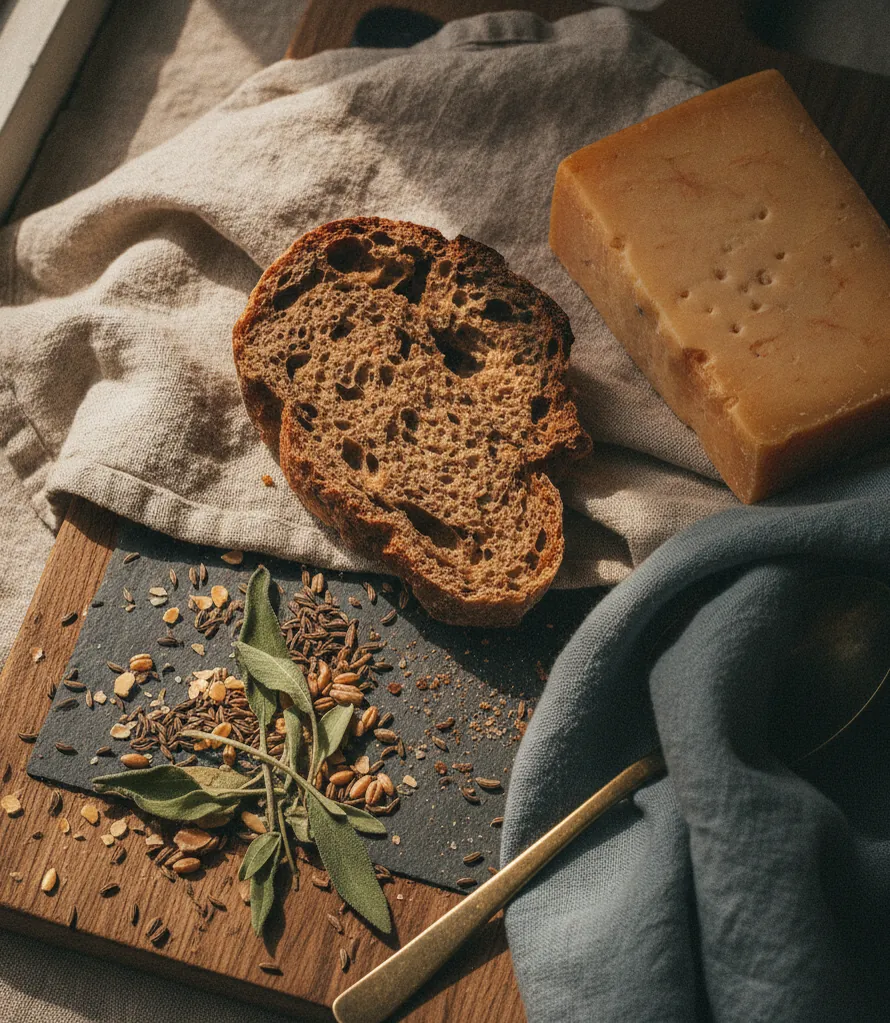
- Sheep's cheese, with its natural sweetness, pairs well with dried fruit or a little heat from a chutney; the fat content means it melts generously and is worth trying on toasted crumpet or good rye bread.
Neither milk is better than cow's milk. They're just different animals, in every sense.