Why the names matter
Walk into any British butcher and you'll find gammon, ham and bacon sharing the same chilled cabinet, often cured in the same building. All three are pork preserved through salt — yet British food tradition draws clear lines between them. The cut, the method and the moment of sale each play a part.
Bacon: back or belly
Bacon is cured back or belly pork, and in British usage it almost always comes sliced. Back bacon — the rasher with the lean eye and a strip of fat — is the cut most associated with a full English. Streaky bacon comes from the belly, with its alternating layers of fat and meat that render and crisp in a way back bacon never quite does.
The cure can be dry or wet. Dry curing involves rubbing the meat directly with salt and other seasonings; wet curing submerges or injects the meat in a salt solution. Our article on dry and wet curing covers the differences in detail, but for bacon the practical upshot is that a properly dry-cured rasher shrinks less in the pan and carries a more concentrated flavour. Smoked bacon takes an additional step through a smokehouse; green bacon is unsmoked — the word refers to the cure being the only process applied, nothing to do with colour.
Gammon: the leg cured on the side
Gammon is the hind leg of the pig, cured as part of a whole side — the leg left attached to the back during curing. The Wiltshire cure works exactly this way: the whole side is immersed in brine, leg and all, producing a milder, more even result than curing the joint alone. We look at that tradition in our Wiltshire cure article.
In British usage, gammon is sold raw and needs cooking — whether a long simmer followed by a glaze in the oven or another approach suited to a large, dense joint. Our Christmas gammon article covers how the joint is typically prepared for the table at that time of year. Gammon is available smoked or unsmoked, bone-in or boned, and the choice between them is largely a matter of preference.
Ham: cooked, air-dried or what gammon becomes
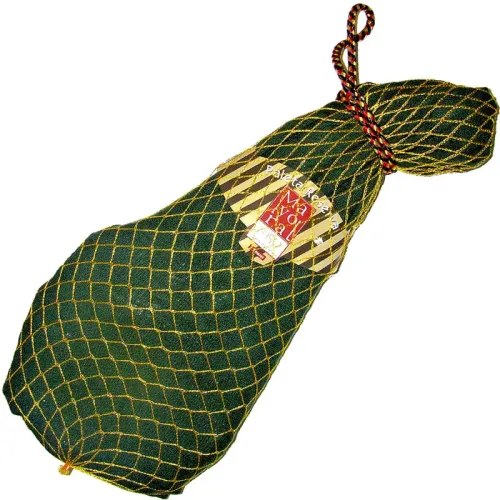
Ham is the hind leg cured independently — removed from the carcass before or at the start of the curing process — and sold either already cooked or air-dried to the point where no further cooking is needed. British convention also allows the name to shift depending on what happens in the kitchen: once a gammon joint has been cooked, it is entirely correct to call it ham. The same piece of meat, sold raw as gammon, becomes ham the moment it comes out of the pot.
Regional hams sit at the more specialised end of the spectrum. York ham is dry-cured and traditionally mild in smoke, producing dense, close-textured meat that is served thinly sliced. Carmarthen ham, from west Wales, is air-dried over a long period in a style closer to continental charcuterie than a supermarket cooked joint — saltier, firmer, with a concentrated depth that reflects weeks or months of slow moisture loss. Both are covered in their own articles, and both reward seeking out from producers who still follow the long, unhurried methods.
Reading the label
With bacon and cooked ham, check how much water has been added — this is declared on packaging and directly affects how the product behaves in the pan or on the board. For a rasher you want to crisp or a ham you want to slice cleanly, less added water generally serves you better.
For gammon, the distinction between smoked and green matters more than many buyers realise. Smoked gammon brings a woody, faintly sweet complexity that suits robust glazes and spiced braising liquids. Green gammon has a cleaner, saltier character that lets accompaniments such as parsley sauce or mustard read more clearly against the meat.
Curing is a craft with real variation built in. A dry-cured back bacon from a traditional producer and a water-injected supermarket rasher share a category name but very little else. The same is true of a properly air-dried Carmarthen ham and a pre-sliced cooked ham in a plastic pouch. Knowing which is which — and why — is most of the work.